The Rise and Fall of the Cup Plant: Lessons
from the Pollinator Garden
By Maureen Williams
🌱 2011 – Planted
📏 2012 – 6ft Bloom
⛏️ 2019 – Excavation
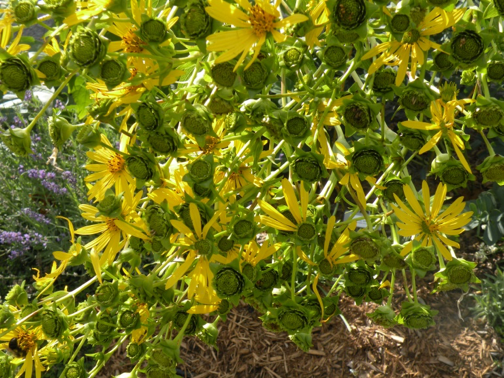
Based on personal experience with the Cup Plant – Silphium perfoliatum.
2011 was the year I met Cup; it appeared on a list of plants recommended by the Native Plant Nursery at Lemoine Point to feature in our Pollinator Garden project. The plan was to plant a collection of native and other hardy perennials that pollinators would love and humans would appreciate enough to consider planting in their own gardens. Thus, the project was named a Demonstration Garden.
The baby cup (12 inch seedling) was planted in September 2011. A year later, it was the tallest plant in the garden at about 6ft with a crown of yellow flowers hosting many bees, a pollinator friendly success story! As it grew, it formed a tidy clump and really impressed us all.

Alas, the story shifts gears! In 2019, our volunteer team decided to remove “mother Cup” because of extensive maintenance.
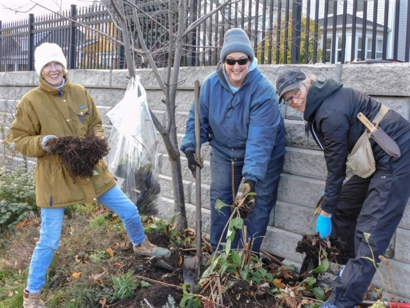
The moral of the story: In the right place (maybe by a farm gate) Cup is an attractive pollinator-friendly plat BUT it will overpower in most gardens. For that reason, we are no longer recommending it as an addition to your garden.
2020 update. There are a few baby cups still sprouting!